


How many times a day do you milk, and what is your current herd average, butterfat and protein? We milk three times a day. Our rolling herd average is currently 33,193 pounds of milk, 1,330 pounds of butterfat and 1,122 pounds of protein.
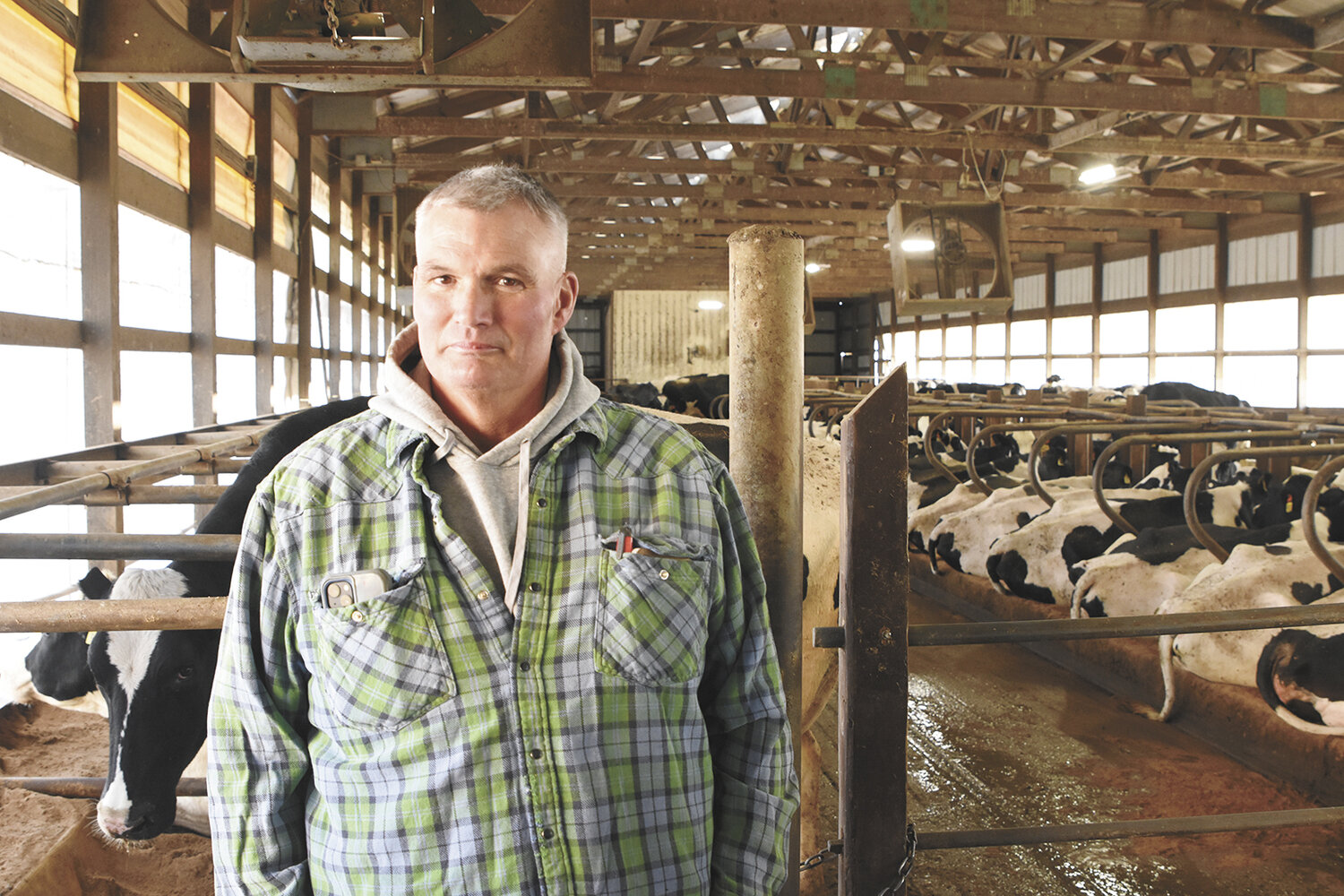
Describe your housing and milking facility. Our cows are housed in a sand-bedded freestall barn with sprinklers available during hot weather to increase cow comfort. The cows are milked in a double-8 swing parlor.
Who is part of your farm team, and what are their roles? I have two full-time employees who do all the milking and calf feeding. Otherwise, I do everything else except harvesting crops. For crops, I do the chopping and hire people to haul and unload chopper boxes.
What is your herd health program? Our vet comes to the farm once a month to do a reproduction and general herd health visit. We’ll also call him as needed. All the heifers get three doses of a 10-way modified live vaccine, plus a blackleg vaccine between birth and freshening. Cows receive a vaccine booster twice a year.
What does your dry cow and transition program consist of? The dry cows are fed a separate total mixed ration. They have about a 50-day dry period where they are housed in a separate sand-bedded freestall barn. When they are about a week away from freshening, they are moved to a maternity barn. After they freshen, they are kept in a special needs pen in the dairy freestall barn for about three weeks to make sure they are watched more closely and get off to a good start.
How long is your voluntary waiting period? The voluntary waiting period is about 80 days.
What is your average days in milk? Our current average days in milk is 187.
What percentage of your herd is in their first lactation? 31%
What is the composition of your ration, and how has that changed in recent years? I deferred this question to my nutritionist, Joshua Sazama, who I’ve been working with for several years. The composition of our ration is 16.5% protein, 27.3% neutral detergent fiber, 22% forage neutral detergent fiber and 28% starch. With limited crop acres in relation to herd size, the ration changes significantly during the summer. The summer ration contains predominantly alfalfa haylage, barley silage, a small amount of corn silage, ground dry corn, canola meal, NovaMeal, amino acids and mineral. Following corn silage harvest, the ration is composed of predominately corn silage, alfalfa haylage, ground dry corn, canola meal, corn gluten feed, western alfalfa hay, amino acids and mineral. We’ve made three important nutrition changes while working together: corn gluten/NovaMeal, amino acid and supplementation. The corn gluten feed has paired well with the high corn silage diet while NovaMeal complements the high-haylage summer diet.
Amino acid supplementation has significantly improved milk components. The herd currently averages 7.4 pounds of solids per cow. Barley silage works well in the ration when corn silage is gone and the ration is predominantly alfalfa haylage. Straw has become the cornerstone for the dry cow ration. Several years ago, we attempted to mix grass in with our alfalfa to increase the digestibility of our haylage. However, with the grass being a very seasonal plant, it made our haylage inconsistent from one cutting to the next, making it difficult to manage the ration, so we stopped doing that.
Tell us about the forages you plant and detail your harvest strategies. We really push for quality feed. Haylage is alfalfa on a 4-cutting cycle, so it is cut at the early bud stage. Our barley is all made into one cutting of barley silage, followed by two cuttings of the new seeding alfalfa. The corn for silage is a high fiber digestibility variety, harvested at 62%-68% moisture. The grain corn is a low-prolamin variety that improves starch digestibility.
What is your average somatic cell count and how does that affect your production? For 2025, our somatic cell count averaged 157,000, which was higher than normal; it usually runs about 130,000. I don’t do any quarter milking, and we work hard to keep SCC low.
What change has created the biggest improvement in your herd average? Consistent improvement has always been my goal. I’ve always worked on improving genetics, cow comfort and forage quality and making sure we have a good nutritionist who properly balances the rations.
What technology do you use to monitor your herd? We use CowManager sensors on all the cows and heifers once they get close to breeding age. I recently ordered sensors to start putting them in younger cattle to assist with health monitoring. We also have cameras in all the barns so I can keep a close eye on the cattle, especially ones in the maternity pen.
What is your breeding program, and what role does genetics play in your production level? All our cattle are AI bred. Good genetics raises the potential of every cow. I breed for balanced cows; type, production, health traits, reproduction traits, they’re all important, and I never want to go too far for one thing and give up another.
List three management strategies that have helped you attain your production and component level. I don’t know that it’s fair to single out just three because I think the whole process needs to be taken into account, and you have to pay attention to the details. If I had to list three, it would be genetics, cow comfort and ration/feed quality. I think those are the three that most directly affect production, but it is paying attention to all the details. Those three, plus attention to a good reproduction program, hoof care, fly control, sanitation and the herd health program; if you raise healthy heifers, they will turn into healthier, more productive cows.
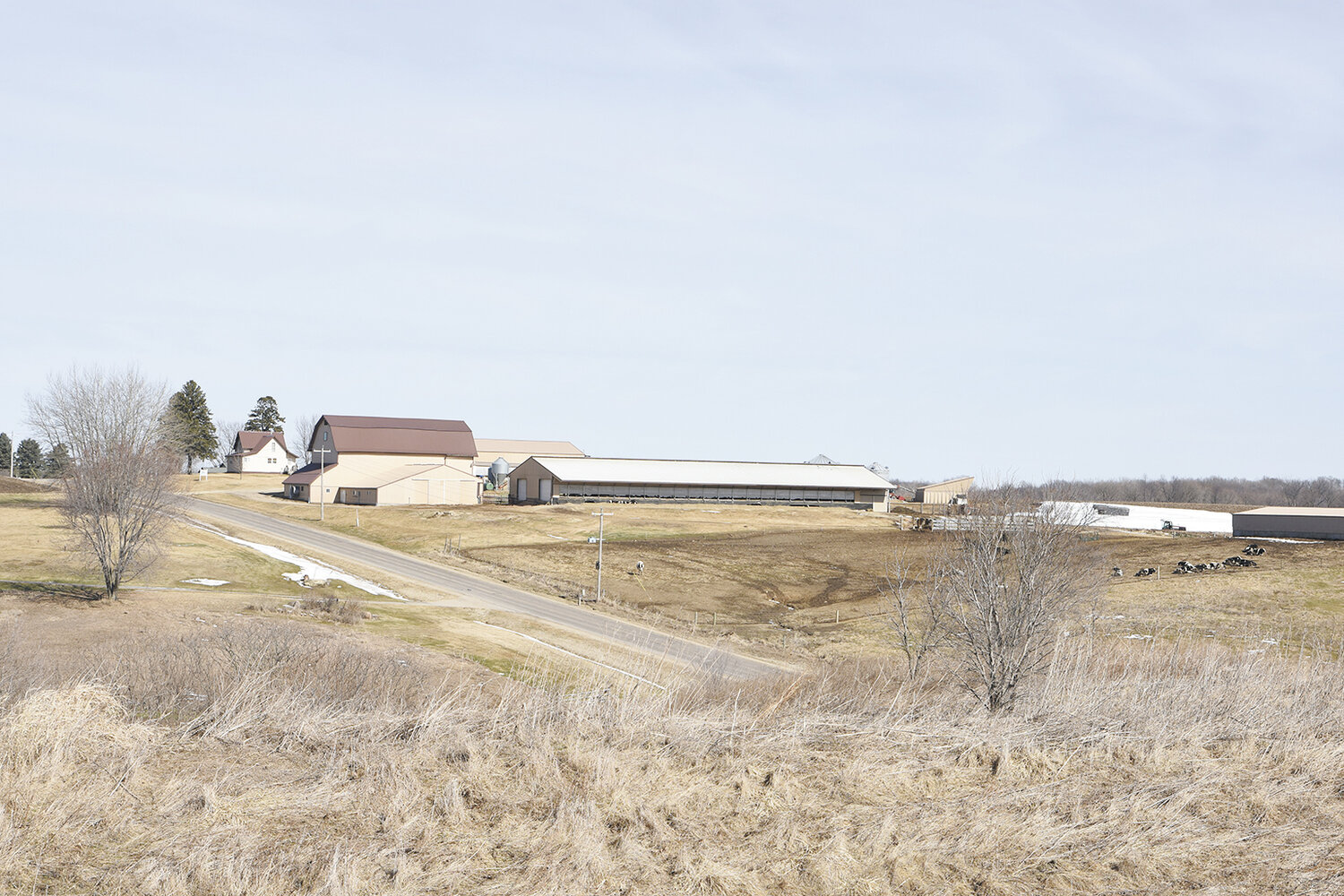
Tell us about your farm and your plans for the dairy in the next year. I bought this farm in 1990 and started with 30 cows in a stall barn. I gradually increased the size of the herd, built the freestall barn and then the parlor. I do not have plans for further expansion. I will continue what I’ve done over the years with a focus on production, profitability and continual improvement.
 |
 |
 |
 |
Share with others


Comments
No comments on this item Please log in to comment by clicking here