


How many times a day do you milk, and what is your current herd average, butterfat and protein? We switched to three times a day milking three weeks ago. Our current rolling herd average is 31,536 pounds of milk with a butterfat test of 4.5% and a protein test of 3.2%. Our current daily bulk tank average is 109 pounds of milk per cow. On an energy-corrected milk basis, we averaged 35,536 pounds of milk.
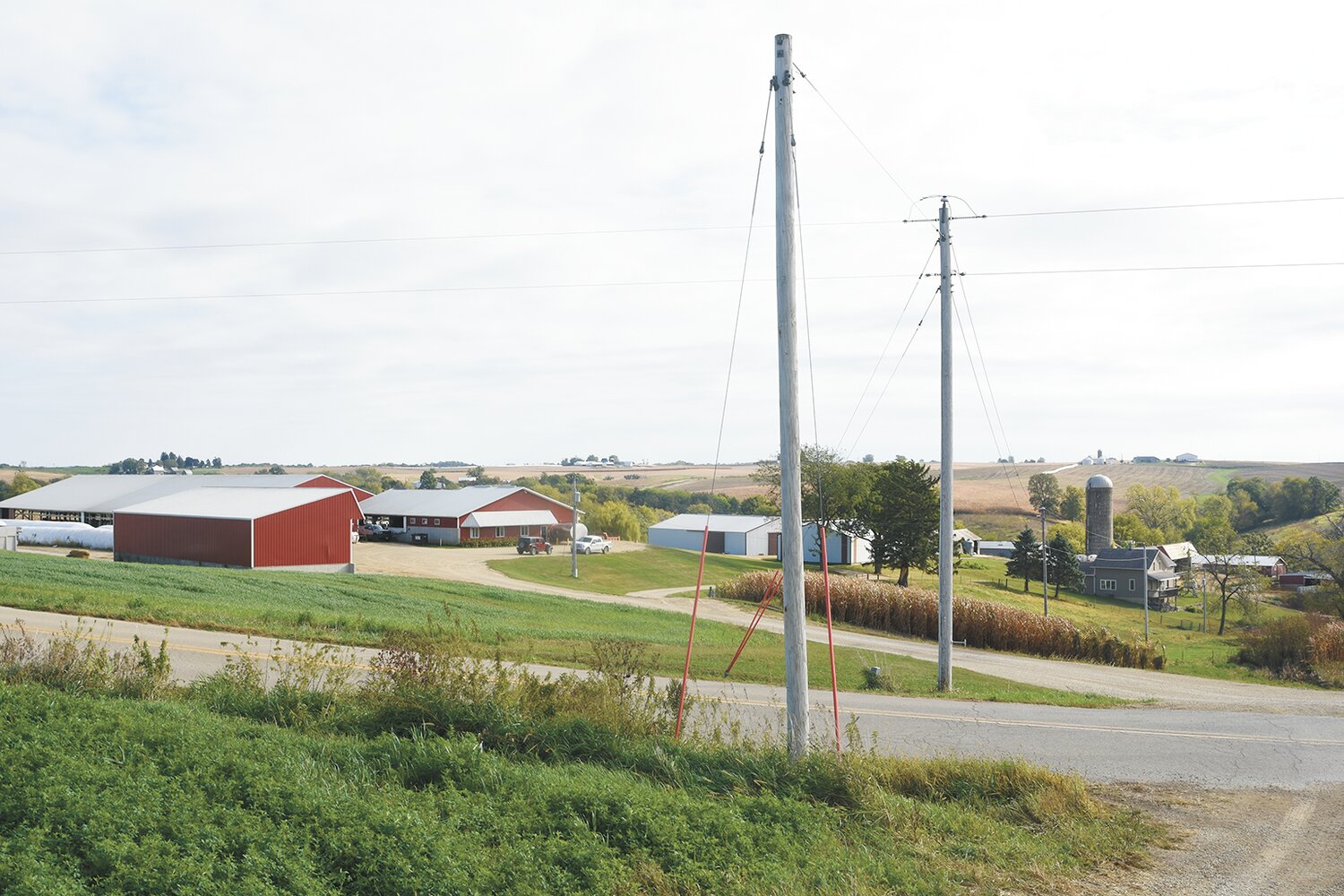
Describe your housing and milking facility. We have a 4-row, cross-ventilation, sand-bedded freestall barn with 30, 50-inch fans. Cows are in two groups, with older cows in one group and first- and second-lactation cows in the other. We have alley scrapers that scrape the barn out six times daily, along with a Lely feed pusher that pushes feed up every two hours. Our cows are milked in a double-8 parallel parlor.
Who is part of your farm team, and what are their roles? My wife, Megan, works full time as a nurse. We have two full-time people and four people who work for us part time. Our full-time and part-time employees are a huge asset to us. We treat them like family.
What is your herd health program? We pregnancy check every two weeks with ultrasound between 33-40 days of carried calf. Cows are vaccinated with BoviShield and Endovac within the first 30 days of freshening. Endovac gets repeated when cows are verified pregnant, 60 days carried calf and dry off. Cows get a Lutalyse shot 10 days after freshening. Calves get InForce at day one and BoviShield and UltraBac-7 back at 4 months and repeated at pre-breeding.
What does your dry cow and transition program consist of? Dry cows are housed in loose bedding and fed the same total mixed ration through the dry period. Three weeks prior to calving, we move them to a calving pen next to the parlor. Their ration consists of low potassium baleage, corn silage and mineral mix. Currently fresh cows go into milk cow groups. We aim for a 50-day dry period.
What is the composition of your ration, and how has that changed in recent years? Milk cows currently receive a TMR consisting of corn silage, haylage and dry hay. This year, we increased corn silage in the ration to make it more consistent for several months at a time. We increased corn acres this year and decreased hay acres. We also add a protein mix, dry corn and gluten pellets in the ration. Our ration is balanced by Jordan Hunt through GPS Dairy Consulting.
Tell us about the forages you plant and detail your harvest strategies. We grow alfalfa, corn and new seeding. We are usually on a 5-cut schedule for making hay, with intervals between 26-30 days. This year, with all the rain we had, a couple of crops got over the target interval. For corn silage, we usually plant 112-day corn with tall plant height and great yielding traits so we get high starch levels. We seed down oats and annual rye grass with our alfalfa, which is used for dry cows and heifers. On our corn-on-corn acres, we seed down cover crops to help manage the soil, and when we take the alfalfa field out of production, we no-till into it with corn.
What is your average somatic cell count and how does that affect your production? Our average SCC usually runs between 90,000-120,000 annually. Last year, we only treated four cows for mastitis the entire year, which goes back to making sure we have proper milking procedures and stall management.
What change has created the biggest improvement in your herd average? Our biggest improvement was when we switched to deep-bedded sand in 2023. We gained 3,000 pounds of milk per cow. I know sand has its challenges, but cows love it. Before this, we had waterbeds, and when we switched to sand, production and components went up quickly.
What technology do you use to monitor your herd? We use CowManager for heat detection and sick cow detection. Three of us have it on our phones and have the main database in the office, so we have three people who have eyes on the cows and heifers. It’s been a great tool to monitor fresh cows and heat detection on cows and heifers.
What is your breeding program, and what role does genetics play in your production level? Our milk cows are set up with a regular ovsynch with a double-Lutalyse shot 24 hours apart. We are currently running a 38% pregnancy rate on milk cows. For heifers, we use the CowManager system, and if the heifer doesn’t have a heat by 13.5 months, we do an ultrasound to make sure she is cycling well and do controlled internal drug release if we have to. We currently are running a 67% conception rate on heifers. We use sexed and beef semen. We make sure the bulls we use for sexed semen are high in Net Merit, fat, protein and milk.
List three management strategies that have helped you attain your production and component level. Our top management tool is making high-quality feed. If you are raising a healthy plant, you will have a healthy cow. Second is a focus on cow comfort. Cows need to be comfortable to make a high-quality product for the consumer. The third management strategy we employ is our breeding strategy with sexed and beef semen. We started using sexed semen six years ago, and it helps manage our heifer inventory. We currently breed for 30% over our replacement needs.
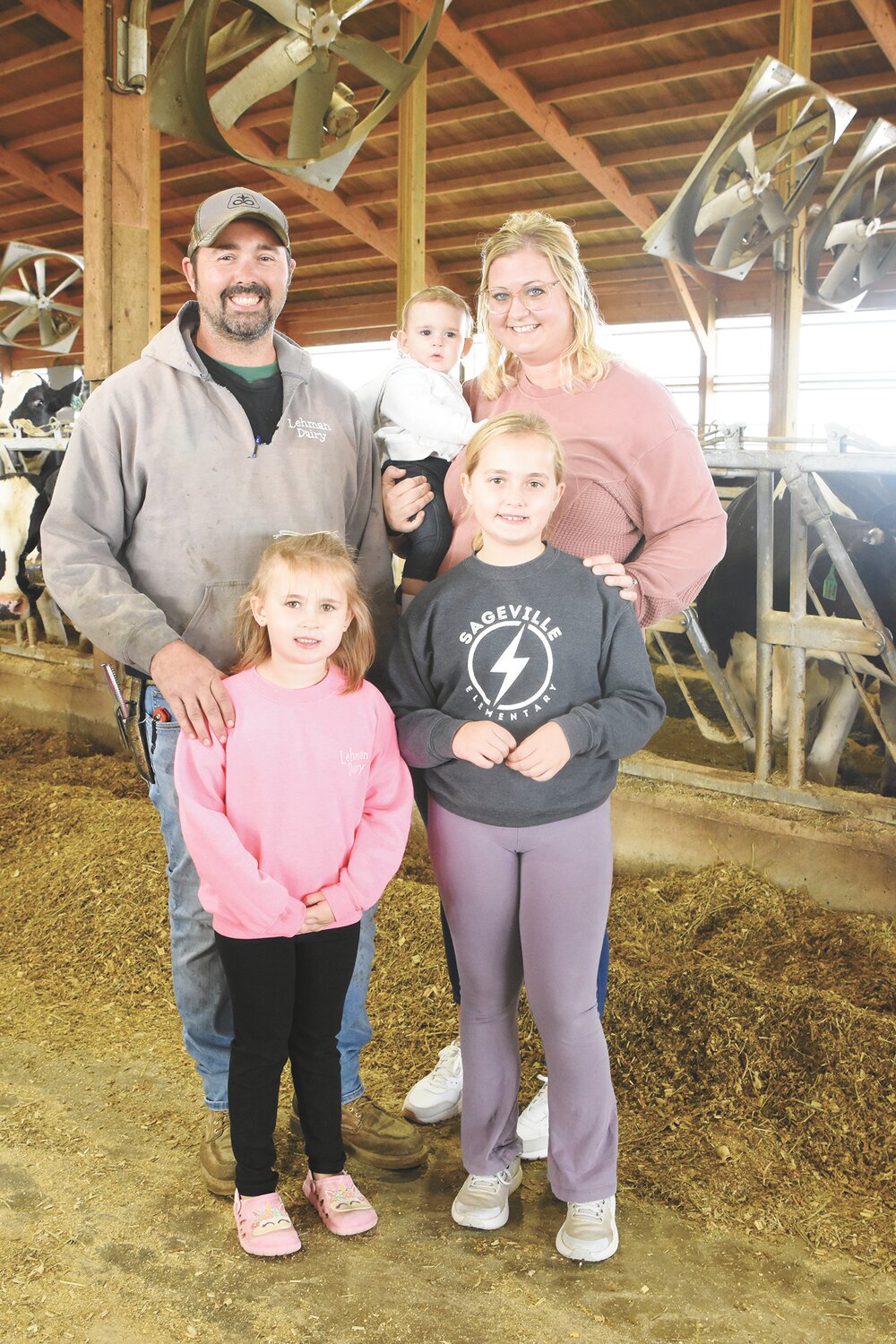
Tell us about your farm and your plans for the dairy in the next year. Lehman Dairy is a first-generation farm. In 2024, we expanded from 120 cows milking to 230-240 cows milking. We strive to produce a high-quality product for the consumer. Our plans for this year are to keep making high-quality milk and eventually we would like to build a new dry cow/post fresh barn.
 |
 |
 |
 |
Share with others


Comments
No comments on this item Please log in to comment by clicking here