



How many times a day do you milk, and what is your current herd average, butterfat and protein? We milk twice a day in a herringbone parlor. Our current herd average is 80-85 pounds of milk per day, with tests of 4.9% butterfat and 3.5% protein.
Describe your housing and milking facility. My employees and I milk the cows in a herringbone parlor that was built in 1982. The milk cows are housed in a freestall barn with access to the outside, where they spend most of their time. Dry cows and youngstock are housed in bedded pack sheds.
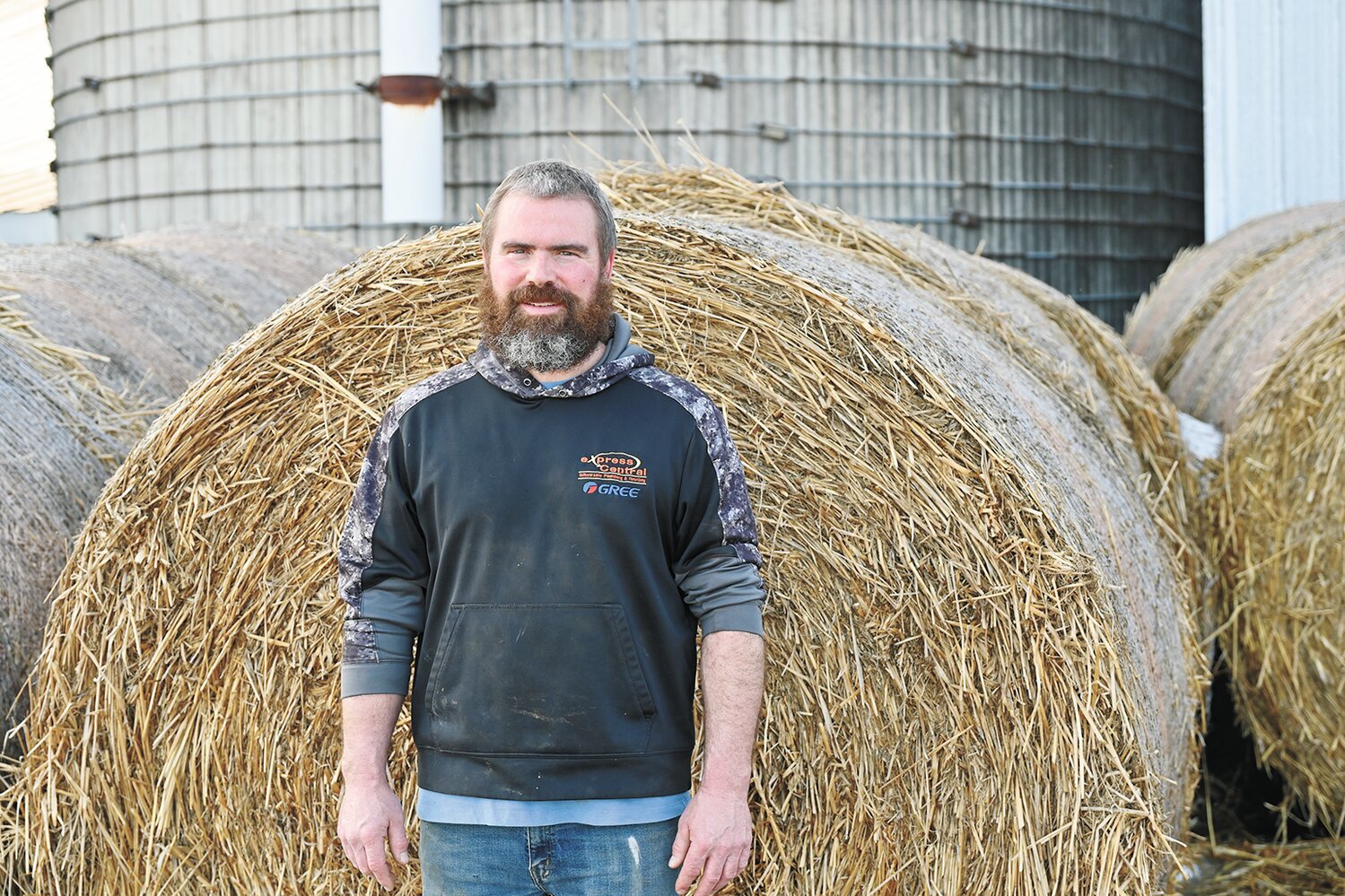
Who is part of your farm team, and what are their roles? I do the feeding, artificial insemination, herd management and basic veterinary work. My daughter, Haylee, milks, helps with herd checks and takes care of the calves. My son-in-law, Aaron, feeds every other weekend. Employees Marylou, Kaitlyn and Mindy are the milkers and take care of the youngstock. Employees Blake, Cutler and Conner are milkers and cow pushers.
What is your herd health program? I do the herd health check and basic vet work.
What does your dry cow and transition program consist of? Cows are dry 100 days and housed in a bedded pack barn with a concrete lot. They get an alfalfa, mineral salt block and silage diet for the first 30 days, then the last 30 days they go to a low-carb diet that consists of straw, silage, soybean meal and a high-quality mineral. They generally stay in a pack pen after calving for 3-7 days or until I feel they are able to compete with the group.
How long is your voluntary waiting period? The cows begin getting checked at 60 days for breeding.
What is your average days in milk? 155 days in milk.
What percentage of your herd is in their first lactation? 30%
What is the composition of your ration, and how has that changed in recent years? The ration is alfalfa, balage, oat balage, silage, earlage, straw, soybean meal and mineral. We switched from haylage to baleage and from high moisture corn to high moisture earlage. We find our most valuable forage to be the earlage. Our nutritionist suggested it a few years ago, and it has worked very well for us.
Tell us about the forages you plant and detail your harvest strategies. The forages we plant are: alfalfa for balage, corn for silage and earlage and oats for oat balage. Our harvest strategies are to do the best job we can at making sure all forages have good levels of moisture and corn gets processed through the chopper properly.
What is your average somatic cell count, and how does that affect your production? Our average somatic cell count for 2025 was 56,000. To me, it is huge to have low SCC because lower SCC means healthier cows, which means more milk and higher quality milk.
What change has created the biggest improvement in your herd average? A change I have been pushing is bull selection. Using high productive life traits increases the chance of healthier cows later.
What technology do you use to monitor your herd? I don’t really use any technology to monitor the cows; we are pretty old school that way. I use tail paint and visually watch for standing heats.
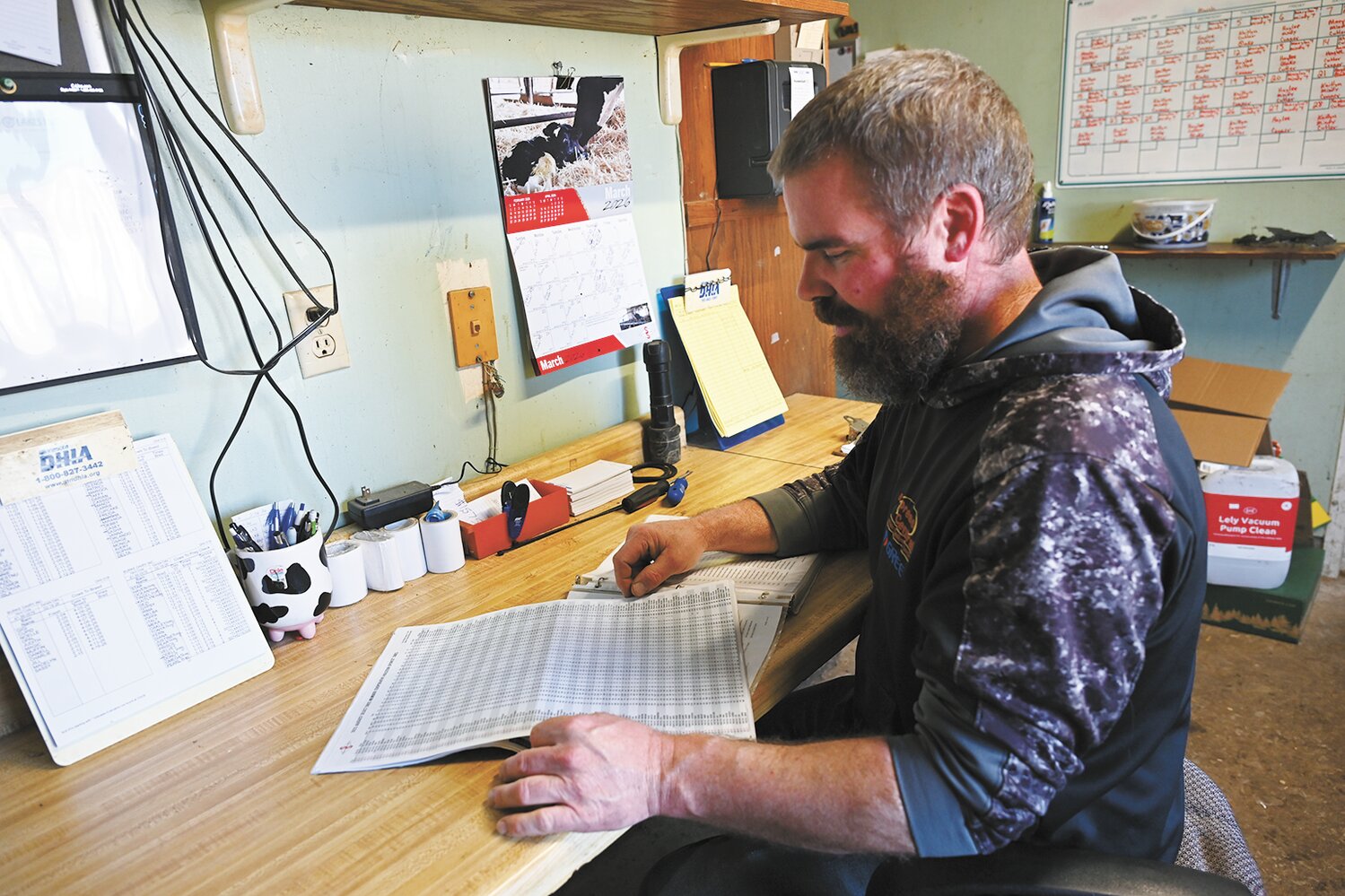
What is your breeding program, and what role does genetics play in your production level? The breeding program is that cows start getting checked at 60 days in milk and herd checks get done every Monday. I check and give shots according to what I find when palpating the cows. They are bred when they show standing heats. The focus has been to continue to improve the quality of the herd every year. We treat the cows and heifers well. We use sexed semen on the top 20% of the milking herd and on the heifers. The other 80% of the herd is bred using black Limousin beef cattle semen. This allows the herd to continue to improve faster, and the beef cross calves help cash flow when milk prices are lower.
List three management strategies that have helped you attain your production and component level. I base my management around good bull selections, good quality feed and cow comfort. I use a combination of young bulls and proven bulls and mostly look at high productive life traits.
Tell us about your farm and your plans for the dairy in the next year. My wife, Angie, and I bought this farm nine years ago. The plan for the upcoming year is to continue to do the best job we can and to continue to milk the same number of cows with high-quality feed and production.
 |
 |
 |
 |
Share with others


Comments
No comments on this item Please log in to comment by clicking here