
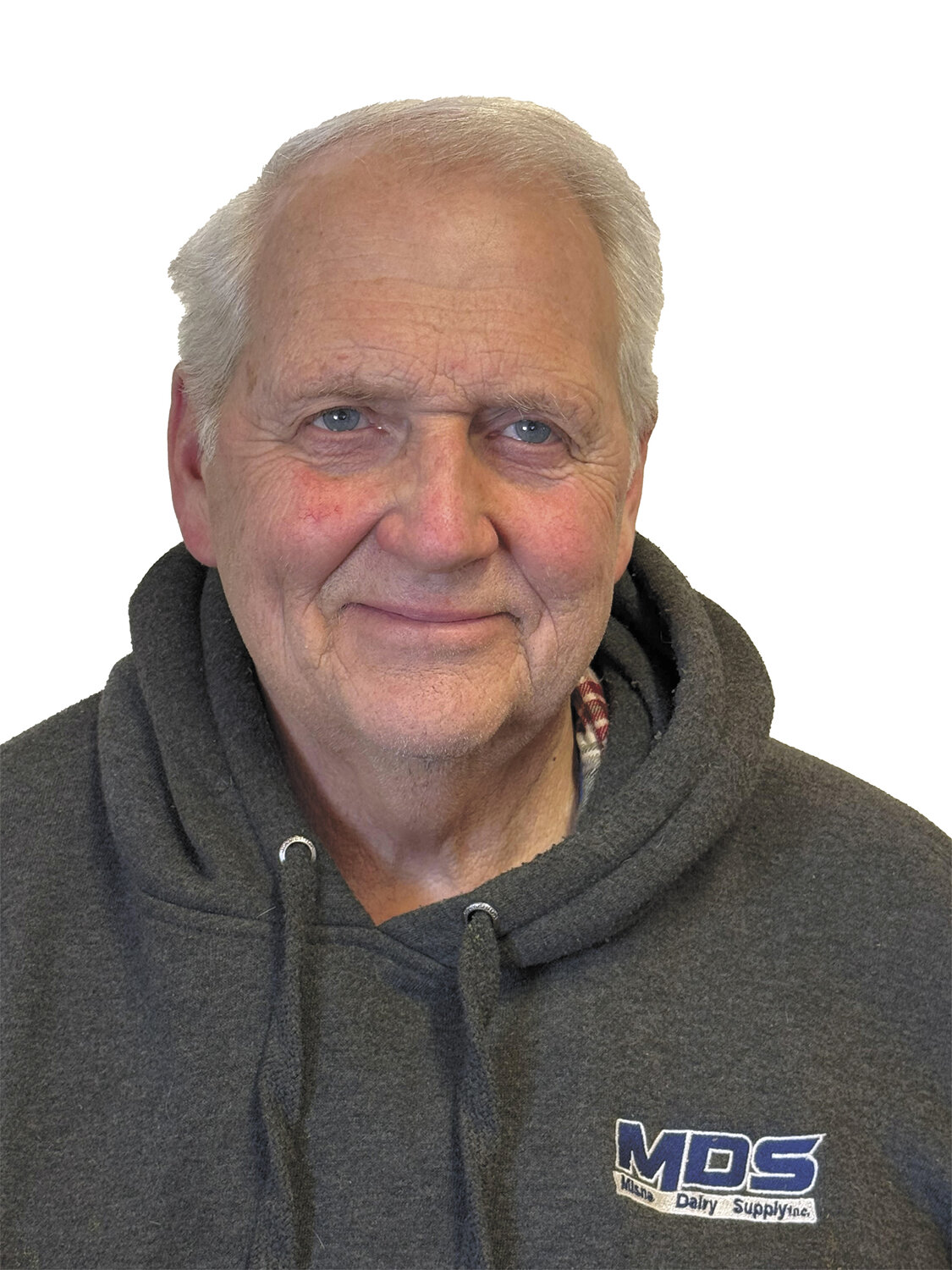
Recently, I was interviewed by a consultant and was asked the question, “Can you explain what a good day is for you? What makes you happy?” I was surprised by the question, but it deserves attention from all of us.
What makes us happy changes as we age. And the phases we go through to find happiness also changes. As a kid, my dad would fill the old pickup full of cob corn and oats and head to the feed mill. As the oldest kid and often the one who had loaded the corn and oats, he sometimes took me along. He would drive into a bay with a truck lift and dump the contents into a grinder. Then we would help load the ground feed, which had been sacked, into the truck. Before leaving, Padre would go back to the office to pay his bill and have a cup of coffee with the six to ten other farmers and workers before heading home. On my lucky day, he would walk across the street and have a brandy and play euchre or dirty clubs for a couple hours. Every time, his buddies would be there for a game of cards. I was lucky because on those days, they filled me with candy bars.
A happy, healthy society needs gathering places for people to have a good life. Dr. Richard Kyte is a professor at Viterbo University in La Crosse. Dr. Kyte explained that your first place is your family, your second place is your workplace, and your third place is … Well, it depends.
Playing cards was my dad’s third place. He needed that time with those guys and enjoyed the visit with them. He and his friends all had similar interests and connections. But he would never admit how valuable that time was. As a kid learning about life, I loved being there. The bantering back and forth about who had the best or worst day was communication between friends. They needed each other out of necessity. If a farmer had an accident or an illness, all the neighbors and friends would harvest his crops and care for his cows. The number of friends each of those farmers had was huge. Nobody was believed to be rich monetarily, but most were happy.
Compare then to now. We call the feed mill and ground corn or feed is delivered by a trucker who may not even talk to a single person during his visit to the farm. The taverns have decreased from 13 in my hometown then to four today. On St. Mary’s Ridge, many church goers would walk across the road to Bill‘s Bar after Mass. Today it is gone.
It sure seems like finding a third place isn’t what it used to be. What happened?
We have adopted conveniences that resulted in us not being dependent upon each other. The transformation in just the last 12 years with electronic communications between people has led us to the place where real communication doesn’t happen often. We can exist today without talking face-to-face with anyone. We can contact Amazon and have a delivery to our doorstep the next day. We can email Walmart and have our groceries waiting for us. What is the price? It is the lack of thriving. People are less happy and less people are happy. Have you ever noticed how many people are actually happy doing their job and how many aren’t? Recently Target ordered all employees to smile if within 5 feet of a customer. Why? Most of us prefer to be around happy people.
People are feeling more isolated and lonelier. How many true friends do people really have? More people are fearful of life and feel unfulfilled. Depression and suicide are on the rise, especially for young people. COVID just sped up this process.
Americans are often driven individuals who live by the concept that more is better, but even with bigger houses, fancier toys and bigger salaries they are still unfulfilled. There’s less poverty, better healthcare, longer lifespans, yet the sense of belonging is missing. The joy of doing good work is missing in a lot of our workers today.
Dr. Kyte has written a book called “Finding Your Third Place.” He offers a solution. Because people no longer have to rely on each other to survive and thrive. We have to find places to call our third place intentionally. It was easy in the old days, but today will require us to be very intentional and work to create the sense of belonging and happiness that may be missing for many.
For dairy farmers, getting involved in a dairy organization such as Professional Dairy Producers, Dairy Business Association, Minnesota Milk Producers Association and others can help. Joining book clubs, going to the local pubs and coffee shops, creating your own peer groups – it all takes effort when it is easier to stay home. Oldsters have a lot to offer their communities with ideas and more time to develop them. Make new friends and don’t be afraid to talk to strangers. One of my friends moved to Wisconsin from California a few years ago. His occupation previously was as a manure hauler for large dairies. We never have a shortage of conversations.
At World Dairy Expo I met a friend whose rule for cell phones is the kids can have one when they get a driver’s license and have a job. Someone has to stop the downward trend in isolation of our youngsters.
Small towns need to create more third spaces. Let’s figure out ways to help the lonely, unfulfilled members of our communities find happiness.
 |
 |
 |
 |
Share with others


Comments
No comments on this item Please log in to comment by clicking here