
Each year, the Dairy Cattle Reproductive Council chooses six dairy herds as platinum recipients of their annual Excellence in Dairy Reproduction Award. These herds are selected from a pool of over 100 nominations, including herds from 16 states, three Canadian provinces and five countries around the world. Judges evaluate the herd’s information and metrics blindly, meaning they do not know the name or other identifiers of the herd. Many metrics are included in the evaluation, including pregnancy rate. This year, the top six herds recorded pregnancy rates of 45% or higher. These herds use a variety of reproductive strategies and attention to detail to achieve reproductive success in the lactating herd, some of which are summarized below.
Herd demographics
The top six herds include farms from Wisconsin, Minnesota, Pennsylvania and Ontario. Herd sizes range from 120-4,200 cows. At least one herd is comprised of Jerseys, while the other farms are primarily Holstein. Most of the herds milk three times per day in a freestall barn setting.
Is a synchronization protocol used?
Five of the six top herds utilize double ovsynch for first service. One herd utilizes a presynch-ovsynch program.
How are heats observed?
Five of the six top herds use an activity monitoring system to detect open cows after insemination. One herd uses a tail chalking system with visual heat detection. For the tail chalking system, the same herdsperson who breeds the cows performs heat detection. Four of the six herds also use activity systems to detect heats in virgin heifers. The remaining two farms use tail chalk and visual heat detection.
What is the voluntary waiting period?
The voluntary waiting period for milking cows ranges from 65 to 83 days in milk. One herd utilizes a 90 DIM VWP for first-lactation animals and 76 DIM VWP for second-lactation cows and higher. Virgin heifer VWP ranges from 10 to 14 months old (note Jersey VWP is less than Holstein).
Breeding program
One of the six herds utilizes technicians from their genetic provider to perform the breeding, while the other farms utilize an in-house team or a combination of in-house team and genetic provider technicians. Nearly all of the farms review performance and provide training on a regularly scheduled basis.
How and when is pregnancy diagnosis performed?
Herds use transrectal ultrasound beginning at 32 days of gestation, with pregnancies rechecked between 55 to 67 days of gestation. Two herds perform pregnancy checks with ultrasound before 32 days of gestation. Several herds also perform a confirmation check before dry off, generally around 200 days carrying calf.
How are problem cows handled?
All six herds have defined plans or criteria to “do not breed” cows so as not to perpetuate problem cows in the herd. Specifically, 200 DIM or 250 DIM were identified as com-mon cutoffs for DNB status. Two of the six herds named controlled internal drug release synchronization programs as strategies for problem breeders, assuming they have not reached DNB criteria.
Important reproductive metrics:
DairyComp 305 was named as the most common recordkeeping tool utilized. Some information is monitored on a weekly basis, as well as a quarterly basis. Weekly pregnancy check results, conception rate, pregnancy rate, services per conception, technician conception rate and heat detection rate were named as the top metrics tracked. These farms named their farm team, veterinarians, nutritionists and other consultants as people who analyze the information.
Additionally, one farm monitors how soon heifers are bred after they reach the VWP or enter the breeding pen.
What are the reproductive goals?
When asked to name their reproductive goals going forward, the top six farms named the following:
— Do the best we can until we know better, then do better;
— Achieve high production while supporting overall cow health;
— Balance heifer inventory to farm needs;
— Technician conception over 55%;
— Maintain pregnancy rate over 40% long term;
— Achieve a 50% pregnancy rate.
The DCRC also names gold, silver and bronze winners in addition to the platinum award. The full list can be found at https://www.dcrcouncil.org/news-releases/. More information can also be found in the November 2025 Hoard’s Dairyman. Our clinic congratulates all award winners, including four from our own practice: Schumacher Farms of Elgin, Shea Dairy, North Creek Dairy and Trailside Farms LLC.
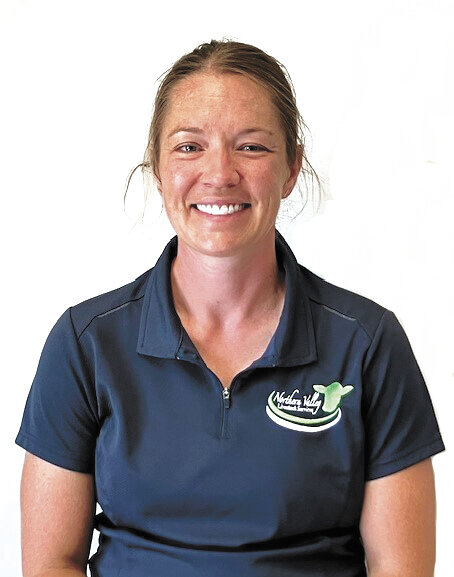
Megan Weisenbeck is one of five veterinarians at Northern Valley Livestock Services in Plainview, Minnesota. She practices primarily dairy production medicine in Minnesota and Wisconsin. Megan can be reached at meganweisenbeck.dvm@gmail.com.
 |
 |
 |
 |
Share with others


Comments
No comments on this item Please log in to comment by clicking here