
The scene was the backyard of an average-looking home somewhere in the middle of a sleepy college town.
As I discreetly watched from a safe distance, a small group of women performed a pagan ritual that is many thousands of years old. This rite was held on an especially auspicious late-summer day, the moment when the ecliptic and the celestial equator intersected: the autumnal equinox.
A gibbous moon peered timorously over the horizon as the head sorceress sprinkled a precise measure of highly poisonous powder into a small vessel of purified water. The resulting potion immediately became scalding hot of its own accord; had it been dark out, I’m betting that a faint glow might have been detectable.
Small cauldrons were then filled with some sort of oleaginous substance. It looked like mashed potatoes, but I suspect it may have actually been the fat harvested from some hapless victim. The cauldrons were then heated until the blubbery stuff turned into a shimmering, translucent liquid.
When the time was deemed ripe, the head sorceress instructed her disciples to combine the melted fat with some of the extremely toxic water. “Now stir,” she commanded, and her apprentices gleefully complied.
Otherworldly alchemic reactions began to take place in the small cauldrons. Tiny amounts of esoteric substances were added to the cauldrons, causing their contents to bloom with vivid colors. Strange and exotic fragrances began to waft across the pastoral backyard.
This, in essence, was my impression of my wife’s soap-making class.
“This isn’t your grandma’s lye soap,” said Norma, who is also known as The Soap Lady. “We measure everything carefully and produce a soap that is both pleasant and nonirritating.”
“So,” I asked, “Do you leach ashes to make your own lye? Do you slaughter a cow or a pig, then render the tallow or the lard?”
“No,” Norma replied patiently. “Those things take too long and would turn soap making into too much of a chore. Plus, I have found that vegetable fats are more soothing for the skin.”
“What’s going on, chemically speaking, when the lye combines with the fat to make soap?” I asked.
“We’re taking a base — the lye solution — and mixing it with an acid, which is the fat. The result is a salt. Technically speaking, soap is a salt, and like all salts, it has a neutral pH. Too much lye produces a caustic soap, which can be tough on the skin.”
Patty, one of the more experienced soap-making students, said, “A few years ago, some of us girls began to buy soap from Norma. Our husbands liked it so well that we pestered Norma into holding a soap-making class. It has since become more of a social event than a soap-making event.”
“Ever had a bad experience while making soap?” I asked.
“I sure have,” said Patty. “Once, I mixed my lye solution in a non-tempered glass container. All of a sudden, BOOM. The container shattered into a million pieces. Thank goodness it was sitting in the sink, or it could have been much worse.”
“It appears that a batch of soap makes an awful lot of bars,” I said. “Don’t you get tired of the same old fragrance?”
“That’s where the social aspect comes in again,” said Patty. “Many of us in our group swap soaps with each other so we can have some variety.”
“You say that your husbands really like your homemade soap,” I said. “Isn’t this just a sneaky way to make sure that the men in your lives are clean and smell good?”
“Don’t be silly,” Patty and Norma replied in unison, grinning knowingly.
At the end of the class, Norma shared a bit of soap-making lore. Saponification — the process wherein soap molecules form — is supposedly named for the mythical Mount Sapo.
According to legend, ancient Romans burned sacrificial animals on an altar atop of Mount Sapo. Rain fell on the leftovers, washing a mixture of lye and melted animal fats down the hill. Women who washed clothes downstream from the altar noticed that their clothes came clean quickly and easily.
It was only natural that the women would from their sparkling clean clothes to their grungy husbands and say to themselves, “Hey, I’ve got a great idea.”
Before long, Rome was filled with squeaky-clean husbands who smelled vaguely of roasted goat. Being clean made them feel civilized, which in turn led them to invent such tremendous cultural advances as democracy and NASCAR racing.
Civilization owes a lot to the ladies — especially those who gather to perform mysterious alchemic rituals in secluded backyards.
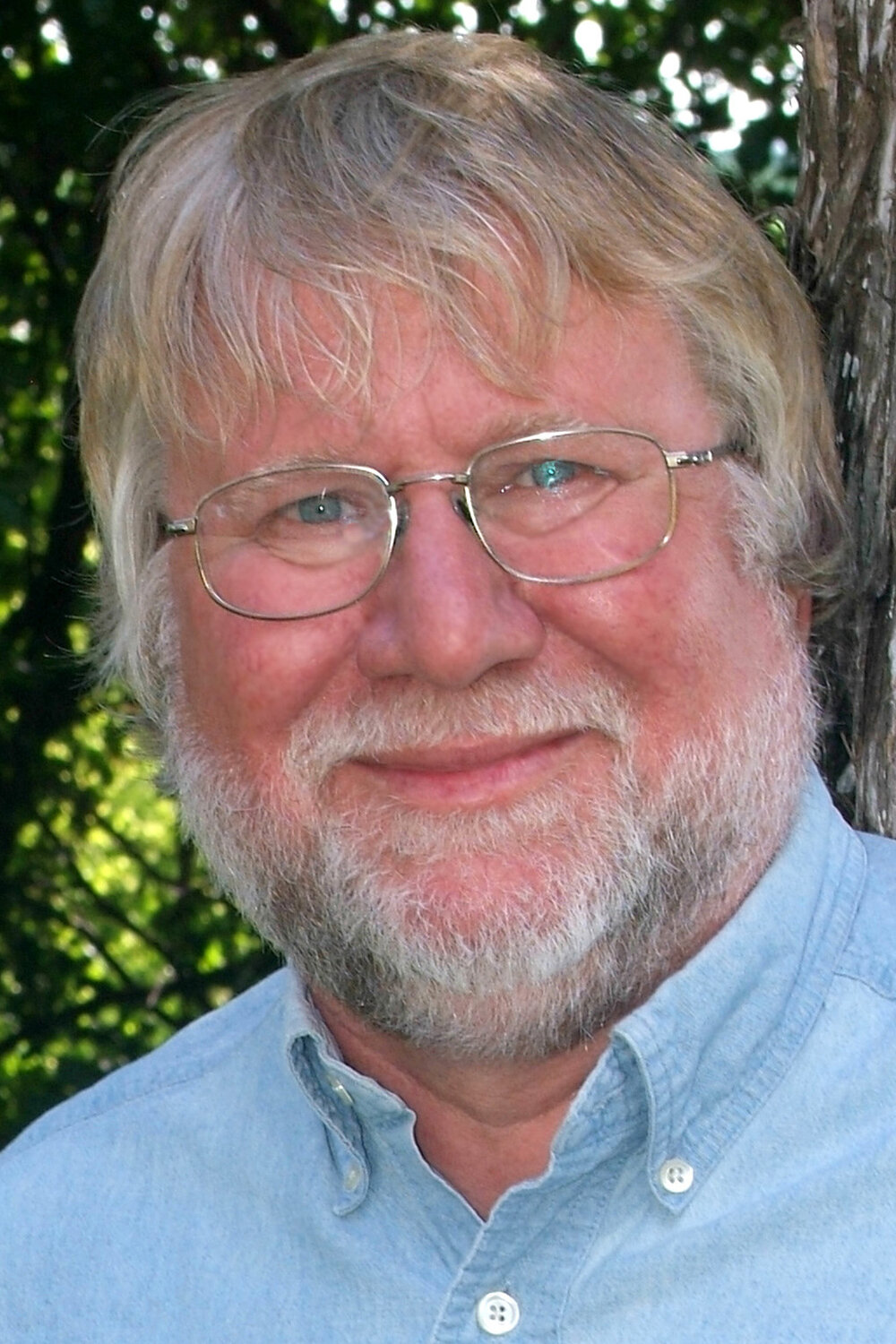
Jerry Nelson is a recovering dairy farmer from Volga, South Dakota. He and his wife, Julie, have two sons and live on the farm where Jerry’s great-grandfather homesteaded over 110 years ago. Feel free to email him at jerry.n@dairystar.com.
 |
 |
 |
 |
Share with others


Comments
No comments on this item Please log in to comment by clicking here